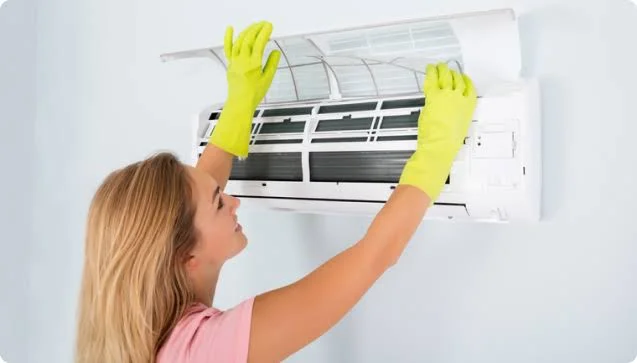

Heat pumps have become one of the most efficient ways to heat and cool homes in Muncy, PA. Whether you’re replacing an aging HVAC system or upgrading to a more energy-efficient option, heat pump installation can provide year-round comfort while helping reduce energy costs. At Heating & Air Conditioning, homeowners receive reliable guidance on selecting, installing, and maintaining the right heat pump system for their needs.
Unlike traditional heating systems, heat pumps transfer heat instead of generating it. This process makes them an energy-efficient choice for Pennsylvania homeowners who experience both warm summers and cold winters.
Why Homeowners in Muncy, PA Choose Heat Pumps
Heat pumps continue to gain popularity because they offer both heating and cooling in one system. Modern units work efficiently even during colder temperatures, making them suitable for many homes throughout central Pennsylvania.
Some of the biggest advantages include:
- Lower monthly energy bills
- Heating and cooling from one system
- Consistent indoor temperatures
- Better humidity control
- Reduced environmental impact
- Quiet operation
- Longer equipment lifespan with proper maintenance
Because weather conditions in Muncy change throughout the year, homeowners benefit from a system that easily switches between heating and cooling modes.
Heat Pump Installation: What to Expect
A successful heat pump installation in Muncy, PA starts with evaluating your home’s heating and cooling requirements. Installing the correct size system is one of the most important factors affecting comfort and efficiency.
An experienced HVAC technician will typically:
- Inspect your home’s layout
- Calculate heating and cooling loads
- Recommend the appropriate unit size
- Install indoor and outdoor components
- Connect electrical and refrigerant lines
- Test airflow and system performance
- Verify thermostat operation
Choosing the right capacity prevents common issues like uneven temperatures, short cycling, and higher utility bills.
Comparison of Common Heat Pump Types
| Heat Pump Type | Best For | Efficiency | Installation Cost | Maintenance |
| Air-Source Heat Pump | Most homes | High | Moderate | Low |
| Ductless Mini Split | Homes without ducts | Very High | Moderate | Low |
| Ground-Source (Geothermal) | Long-term savings | Excellent | High | Very Low |
| Hybrid Heat Pump | Cold climates | High | Moderate to High | Moderate |
Each option offers different advantages depending on your home’s size, budget, and existing HVAC system.
Heat Pump Maintenance Keeps Systems Running Efficiently
Regular heat pump maintenance in Montoursville, PA helps prevent unexpected breakdowns and keeps your system operating efficiently throughout the year.
Routine maintenance typically includes:
- Cleaning air filters
- Inspecting refrigerant levels
- Checking electrical connections
- Cleaning outdoor coils
- Inspecting blower components
- Testing thermostat accuracy
- Lubricating moving parts
- Checking condensate drains
Scheduling maintenance twice each year—before summer and before winter—helps maximize performance.
Benefits of Routine Maintenance
Proper maintenance offers several advantages:
- Lower energy consumption
- Improved indoor comfort
- Better airflow
- Longer equipment lifespan
- Fewer emergency repairs
- Consistent heating and cooling
Ignoring routine service often leads to higher repair costs later.
Common Signs You Need Heat Pump Repair
Even well-maintained systems occasionally require heat pump repair. Recognizing early warning signs can prevent more expensive problems.
Watch for symptoms such as:
- Weak airflow
- Strange noises
- Ice forming on the outdoor unit
- Rising utility bills
- Uneven room temperatures
- Frequent cycling
- Unusual odors
- System won’t switch modes
These issues may indicate refrigerant leaks, compressor problems, electrical faults, or airflow restrictions.
Heat Pump Repair vs. Replacement
Sometimes repairs are the right choice, while older systems may benefit from replacement.
| Situation | Repair | Replacement |
| Under 10 years old | ✔ | |
| Minor electrical issue | ✔ | |
| Refrigerant leak | ✔ | |
| Frequent breakdowns | ✔ | |
| Rising repair costs | ✔ | |
| System over 15 years old | ✔ | |
| Poor efficiency | ✔ |
A qualified technician can inspect your equipment and recommend the most practical solution.
Best Practices for Heat Pump Performance
Following a few simple habits helps your system operate efficiently year-round.
Homeowner Best Practices
- Replace filters every one to three months.
- Keep outdoor units free of leaves and debris.
- Avoid blocking indoor vents.
- Use a programmable thermostat.
- Schedule professional inspections twice yearly.
- Seal air leaks around windows and doors.
- Maintain proper attic insulation.
Small maintenance steps often lead to noticeable improvements in comfort and efficiency.
Common Mistakes to Avoid
Many homeowners unintentionally reduce their heat pump’s performance.
Avoid these common mistakes:
- Skipping annual maintenance
- Installing an oversized system
- Ignoring unusual sounds
- Closing too many supply vents
- Delaying small repairs
- Forgetting to replace dirty air filters
Addressing small issues early usually prevents major repairs.
Choosing the Right Heat Pump for Your Home
Every home has different heating and cooling needs. Factors such as square footage, insulation quality, existing ductwork, and local climate all affect system selection.
Before investing in a new system, consider:
- Home size
- Energy efficiency ratings (SEER2 and HSPF2)
- Noise levels
- Warranty coverage
- Installation quality
- Long-term operating costs
A properly selected and professionally installed system delivers the best balance of comfort and efficiency.
Conclusion
Choosing professional heat pump installation helps homeowners in Muncy, PA enjoy dependable comfort throughout every season. Combined with regular heat pump maintenance and timely heat pump repair, a quality heat pump can provide years of efficient heating and cooling while keeping operating costs under control. Understanding how these systems work and following recommended maintenance practices allows homeowners to protect their investment and maintain a comfortable indoor environment.
FAQs
- How long does a heat pump typically last?
Most heat pumps last between 10 and 15 years with regular maintenance.
- How often should heat pump maintenance be scheduled?
Professional maintenance is recommended twice each year, ideally before the heating and cooling seasons.
- Can a heat pump work during Pennsylvania winters?
Yes. Modern heat pumps perform well in cold climates and many models include supplemental heating when temperatures become extremely low.
- What causes a heat pump to freeze?
Dirty filters, blocked airflow, refrigerant issues, or outdoor ice buildup can cause freezing.
- Is repairing an older heat pump worth it?
If repairs become frequent or the unit is more than 15 years old, replacing the system often provides better long-term value.