
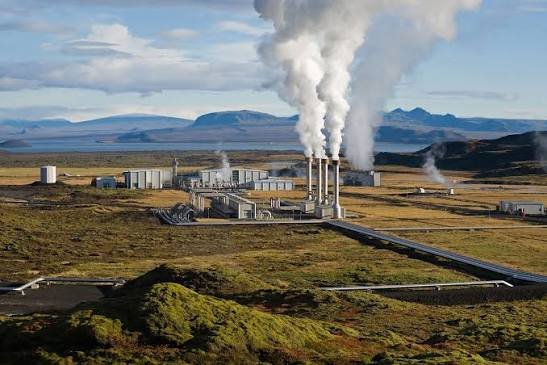
Choosing the right heating and cooling system can make a noticeable difference in comfort, energy use, and long-term costs. Homeowners in Lock Haven, PA often experience cold winters and warm, humid summers, making year-round climate control a priority. Heating & Air Conditioning helps homeowners understand modern HVAC options, including Geothermal systems that provide dependable indoor comfort while reducing energy consumption.
Unlike traditional HVAC equipment, geothermal systems rely on the stable temperature beneath the earth’s surface. This allows them to deliver consistent heating during winter and efficient cooling throughout summer. Understanding how these systems work, along with proper installation and maintenance, helps homeowners make informed decisions for their property.
What Is Geothermal?
Geothermal technology uses underground pipes, called ground loops, to transfer heat between your home and the earth. Since underground temperatures remain relatively stable throughout the year, geothermal systems operate efficiently in nearly every season.
A complete geothermal system generally includes:
- Ground loop piping
- Heat pump
- Indoor air distribution system
- Thermostat and control system
Instead of creating heat by burning fuel, geothermal systems move existing heat, making them one of the most energy-efficient HVAC solutions available.
Why Geothermal Works Well in Lock Haven, PA
Lock Haven experiences changing weather throughout the year. Winters can become freezing, while summers often bring humidity and higher temperatures. These seasonal changes make Geothermal heating systems in Lock Haven, PA and Geothermal cooling systems practical choices for maintaining consistent indoor comfort.
Some local advantages include:
- Lower annual heating costs
- Reliable cooling during hot weather
- Quiet operation
- Longer equipment lifespan
- Reduced environmental impact
Because underground temperatures remain stable, geothermal systems maintain efficiency even during extreme outdoor weather.
Geothermal Heating Systems: Reliable Winter Comfort
How Geothermal Heating Systems Keep Homes Warm
During winter, geothermal systems absorb heat stored underground and transfer it indoors. Even when outdoor temperatures fall below freezing, enough natural heat remains beneath the surface to warm your home effectively.
Benefits include:
- Even room temperatures
- Fewer cold spots
- Better humidity control
- Reduced reliance on fossil fuels
- Lower utility bills over time
Many homeowners also notice improved indoor air quality because geothermal systems avoid combustion-related pollutants.
Geothermal Cooling Systems for Summer Efficiency
While many people think of geothermal only for heating, these systems provide excellent cooling as well.
Benefits of Geothermal Cooling Systems in Hughesville, PA
In summer, the system removes heat from inside your home and transfers it underground.
Advantages include:
- Efficient cooling
- Quiet indoor operation
- Stable indoor temperatures
- Lower electricity consumption
- Reduced wear compared to conventional air conditioners
The result is comfortable indoor living without excessive energy use.
Installation Process
Professional geothermal installation requires careful planning because every property has different soil conditions and available space.
Typical installation steps include:
- Property evaluation
- Soil and land assessment
- Ground loop installation
- Heat pump installation
- Indoor HVAC connection
- System testing
- Performance verification
Proper sizing is one of the most important parts of installation. A system that is too large or too small may reduce efficiency and increase operating costs.
Signs Your Geothermal System Needs Repair
Although geothermal systems require less maintenance than many traditional HVAC units, repairs can still become necessary.
Watch for these warning signs:
- Higher energy bills
- Weak airflow
- Uneven temperatures
- Strange noises
- Frequent cycling
- Water leaks near equipment
- Error messages on the thermostat
Addressing small issues early often prevents more expensive repairs later.
Maintenance Tips for Long-Term Performance
Routine maintenance helps geothermal systems operate efficiently for many years.
Recommended maintenance includes:
- Replace air filters regularly.
- Inspect thermostat settings.
- Check refrigerant levels.
- Clean indoor coils.
- Inspect electrical connections.
- Flush condensate drains.
- Schedule annual professional inspections.
Ground loops usually last decades, but indoor equipment still benefits from regular service.
Geothermal vs Traditional HVAC
| Feature | Geothermal | Traditional HVAC |
| Energy Efficiency | Excellent | Moderate |
| Heating Source | Ground temperature | Gas or electricity |
| Cooling Efficiency | High | Moderate |
| Operating Cost | Lower over time | Higher |
| Equipment Lifespan | Longer | Shorter |
| Environmental Impact | Lower | Higher |
| Noise Level | Quiet | Moderate |
Although installation costs are generally higher, geothermal systems often provide long-term savings through reduced energy use.
Common Mistakes Homeowners Make
Avoid these common problems when investing in geothermal technology.
1. Choosing the Wrong System Size
Improper sizing affects comfort and efficiency.
2. Skipping Annual Maintenance
Routine inspections help identify small issues before they become expensive repairs.
3. Hiring Inexperienced Installers
Proper loop installation directly affects system performance.
4. Ignoring Warning Signs
Small performance problems rarely improve on their own.
5. Blocking Indoor Airflow
Furniture or dirty filters reduce overall efficiency.
Best Practices for Geothermal Performance
For the best results:
- Replace filters as recommended.
- Keep supply vents open.
- Schedule yearly inspections.
- Monitor energy bills.
- Use programmable thermostats.
- Repair issues promptly.
- Keep maintenance records.
Consistent maintenance helps maximize equipment life and system efficiency.
Is Geothermal Right for Your Home?
Many homes in Lock Haven are suitable candidates for geothermal installation, especially properties with enough outdoor space for ground loops.
Factors to consider include:
- Property size
- Soil conditions
- Existing HVAC system
- Long-term energy goals
- Budget
- Expected time in the home
A professional site evaluation helps determine the most suitable installation method.
Conclusion
Installing a Geothermal system is a long-term investment in comfort, efficiency, and reliable indoor climate control. Whether you’re interested in Geothermal heating systems for winter warmth or Geothermal cooling systems for summer comfort, proper installation, routine maintenance, and timely repairs play an important role in system performance. Homeowners in Lock Haven, PA who understand how geothermal technology works are better prepared to choose an HVAC solution that delivers dependable results for years to come.
FAQs
- How long does a geothermal system last?
Ground loops often last 50 years or more, while indoor heat pumps commonly operate for 20–25 years with proper maintenance.
- Are geothermal systems energy efficient?
Yes. Geothermal systems use stable underground temperatures to reduce heating and cooling energy consumption.
- Do geothermal systems require regular maintenance?
Yes. Annual inspections, filter changes, and routine system checks help maintain efficiency and extend equipment life.
- Can geothermal systems cool a home during summer?
Absolutely. Geothermal cooling systems transfer indoor heat underground, providing efficient air conditioning.
- Is geothermal suitable for every home?
Not every property is ideal. Available land, soil conditions, and installation requirements determine whether geothermal is the best option.