
Commercial buildings rely on dependable heating and cooling to keep employees productive, customers comfortable, and equipment operating efficiently. Whether you own a retail store, office, restaurant, warehouse, or healthcare facility, investing in the right Commercial HVAC Systems can lower operating costs and improve indoor comfort year-round. At Heating & Air Conditioning, businesses in Muncy, PA can learn about modern HVAC solutions that support energy efficiency, consistent performance, and long-term reliability.
Choosing the right system involves more than selecting a unit with enough capacity. Business owners should also consider energy efficiency, maintenance requirements, building size, and future operating costs. Understanding these factors helps organizations make informed decisions that benefit both employees and customers.
Why Commercial HVAC Systems Matter for Businesses
Unlike residential equipment, commercial HVAC systems are designed to serve larger spaces with varying occupancy levels and specialized ventilation needs.
A quality system provides several benefits:
- Consistent indoor temperatures
- Better indoor air quality
- Lower utility costs
- Improved employee productivity
- Comfortable environments for customers
- Longer equipment lifespan with proper care
For many businesses, HVAC equipment operates throughout the day, making efficiency an important factor in controlling monthly expenses.
Types of Commercial HVAC Systems
Different businesses require different HVAC solutions depending on their building layout and operational needs.
| System Type | Best For | Main Advantage |
|---|---|---|
| Rooftop Units (RTUs) | Offices, retail stores | Saves indoor space |
| Split Systems | Small commercial buildings | Flexible installation |
| VRF Systems | Multi-zone buildings | Excellent energy efficiency |
| Packaged Units | Restaurants, warehouses | All-in-one design |
| Heat Pumps | Moderate climates | Heating and cooling in one unit |
Selecting the right system depends on building size, occupancy, and budget rather than choosing the largest available equipment.
Commercial HVAC Systems: Choosing the Right Solution
Every commercial property has different heating and cooling requirements.
Consider these factors before investing:
- Building square footage
- Number of occupants
- Hours of operation
- Local weather conditions
- Ventilation requirements
- Future expansion plans
- Energy efficiency ratings
Working with experienced professionals helps ensure the system is properly sized and configured.
Commercial HVAC System Installation: What to Expect
A successful Commercial HVAC System installation in Montoursville, PA begins with a detailed assessment of the building.
The installation process typically includes:
- Building inspection
- Load calculations
- Equipment selection
- Ductwork evaluation
- Professional installation
- System testing
- Performance verification
Proper installation helps maximize energy efficiency while reducing future repair costs.
Skipping the planning stage often leads to oversized or undersized systems, both of which increase operating expenses.
Commercial HVAC System Maintenance Keeps Equipment Efficient
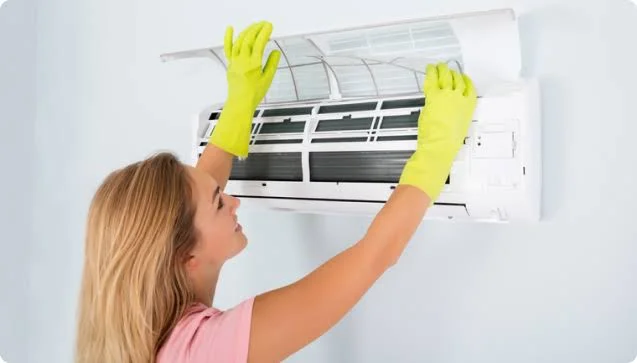
Routine Commercial HVAC System maintenance in Muncy, PA plays a major role in extending equipment life.
Maintenance often includes:
- Filter replacement
- Thermostat calibration
- Coil cleaning
- Refrigerant inspection
- Belt and motor checks
- Electrical connection testing
- Airflow inspection
Preventive maintenance helps identify minor issues before they become expensive repairs.
Businesses that schedule regular inspections often experience fewer unexpected breakdowns and lower annual maintenance costs.
Energy Efficiency Tips for Commercial Buildings
Reducing HVAC energy use doesn’t always require replacing existing equipment.
Consider these practical improvements:
- Replace air filters regularly.
- Install programmable thermostats.
- Seal air leaks around doors and windows.
- Schedule seasonal inspections.
- Upgrade insulation where needed.
- Keep outdoor units clean.
- Avoid blocking air vents.
Even small improvements can reduce overall operating costs throughout the year.
Common Mistakes Businesses Should Avoid
Commercial HVAC investments are significant, making informed decisions essential.
Avoid these common mistakes:
- Choosing equipment based only on price
- Ignoring regular maintenance
- Delaying repairs
- Installing incorrectly sized equipment
- Blocking vents with furniture or inventory
- Forgetting indoor air quality considerations
- Skipping professional inspections
These issues often lead to higher utility bills and shorter equipment life.
Best Practices for Long-Term HVAC Performance
Businesses can improve system performance by following a few simple habits.
Best practices include:
- Schedule preventive maintenance twice a year.
- Replace filters on time.
- Monitor unusual noises.
- Keep ducts clean.
- Train staff to report HVAC issues early.
- Track monthly energy usage.
- Upgrade aging equipment when repair costs increase.
A proactive maintenance strategy usually costs less than emergency repairs.
Signs Your Commercial HVAC System Needs Attention
Watch for these warning signs:
- Uneven temperatures
- Rising energy bills
- Weak airflow
- Frequent repairs
- Strange odors
- Loud noises
- Poor humidity control
Addressing these issues early can prevent larger mechanical failures.
Conclusion
Choosing the right Commercial HVAC Systems is an important investment for businesses in Muncy, PA. The right equipment improves indoor comfort, supports healthier air quality, reduces energy consumption, and helps control long-term operating costs. Combined with professional Commercial HVAC System installation and routine Commercial HVAC System maintenance, business owners can maximize system performance and extend equipment life. By following best practices and avoiding common mistakes, organizations can create comfortable, efficient spaces that support employees, customers, and daily operations.
FAQs
1. How long do Commercial HVAC Systems typically last?
Most commercial systems last between 15 and 20 years when properly maintained.
2. How often should Commercial HVAC System maintenance be performed?
Most businesses benefit from professional maintenance twice each year, typically before summer and winter.
3. What is the biggest factor in HVAC energy efficiency?
Proper system sizing, regular maintenance, and high-efficiency equipment have the greatest impact on energy use.
4. How do I know if my building needs a new HVAC system?
Frequent repairs, rising energy costs, uneven temperatures, and aging equipment are common indicators.
5. Can regular maintenance reduce repair costs?
Yes. Preventive maintenance identifies small issues early, helping avoid major repairs and unexpected downtime.