Heating and cooling needs can vary significantly from one commercial property to another. An office may require consistent temperature control throughout individual workspaces, while a restaurant, warehouse, retail store, or medical facility may have completely different airflow and operating requirements.
Professional Commercial HVAC System Installation helps businesses select equipment based on building size, occupancy, layout, insulation, operating hours, and comfort needs. Action Heating and Air Conditioning provides commercial heating and cooling solutions for businesses in Muncy, PA that need new HVAC equipment, replacement systems, or improved climate control.
Start With an Accurate Building Assessment
Choosing commercial HVAC equipment should begin with understanding the building rather than simply replacing an old unit with something similar.
Square footage is important, but it is only one factor.
HVAC planning may also consider ceiling height, insulation, windows, doors, heat-producing equipment, occupancy levels, operating schedules, and how different sections of the property are used.
Commercial heating and cooling in Muncy, PA should be designed around these conditions so equipment can provide appropriate heating, cooling, ventilation, and airflow without unnecessary strain.
Proper planning can help avoid installing equipment that is too large or too small for the property.
Why HVAC System Sizing Matters
A commercial HVAC system needs enough capacity to maintain indoor comfort without constantly overworking.
Equipment that is undersized may struggle to reach desired temperatures during periods of high demand. Oversized equipment can also create problems by cycling on and off more frequently than necessary.
Correct sizing helps create more stable indoor conditions.
The appropriate system should be selected after evaluating the building’s heating and cooling requirements rather than relying only on the capacity of the previous equipment.
A professional contractor can use property information and equipment specifications to recommend a practical solution for the space.
Different Businesses Have Different HVAC Needs
Commercial properties are not all used in the same way, which means their HVAC requirements can be very different.
Installation planning may be needed for:
- Office buildings
- Restaurants
- Retail spaces
- Warehouses
- Medical offices
- Apartment buildings
- Schools
- Churches
- Manufacturing properties
- Professional facilities
A retail store may prioritize customer comfort and even temperatures across open spaces.
A warehouse may need a different approach because of large ceilings, loading areas, or changing occupancy.
Restaurants may also have additional ventilation and temperature-control considerations due to cooking equipment and customer areas.
The HVAC system should match the way the property actually operates.
Evaluate Existing Ductwork Before Installation
New HVAC equipment cannot perform properly if the existing air distribution system has major problems.
Before installation, ductwork may need to be checked for damaged sections, poor connections, airflow restrictions, or design issues.
Older buildings may have duct systems that were designed around equipment installed many years earlier.
If the new system has different airflow requirements, modifications may be necessary.
Evaluating the ductwork as part of the project helps create a more complete installation plan rather than focusing only on replacing the main heating or cooling unit.
Plan for Heating and Cooling Zones
Some commercial buildings contain areas with very different comfort requirements.
Conference rooms, offices, customer areas, storage rooms, kitchens, and large open spaces may not all need the same amount of heating or cooling throughout the day.
Zoning can allow different sections of a building to be controlled separately when the HVAC design supports it.
This may improve comfort while giving property managers greater control over how conditioned air is distributed.
Whether zoning is appropriate depends on the building layout, equipment, ductwork, and business operations.
Consider Energy Use Before Selecting Equipment
Commercial HVAC systems can represent a significant part of a property’s energy consumption.
When replacing older equipment, businesses may want to compare available efficiency ratings and operating features before making a final selection.
A newer system may offer improved controls, variable operation, or other efficiency-focused features.
However, equipment efficiency alone does not determine actual performance.
Installation quality, system sizing, ductwork condition, thermostat settings, maintenance, and building insulation can all affect energy use.
A properly planned installation brings these factors together rather than relying on equipment ratings alone.
What Happens During Commercial HVAC Installation?
The installation process depends on whether the project involves new construction, a complete replacement, or modifications to an existing HVAC system.
A typical project may begin with an evaluation of the building and existing equipment.
The contractor can then recommend system options and determine whether ductwork, electrical components, thermostats, drainage, or ventilation systems require updates.
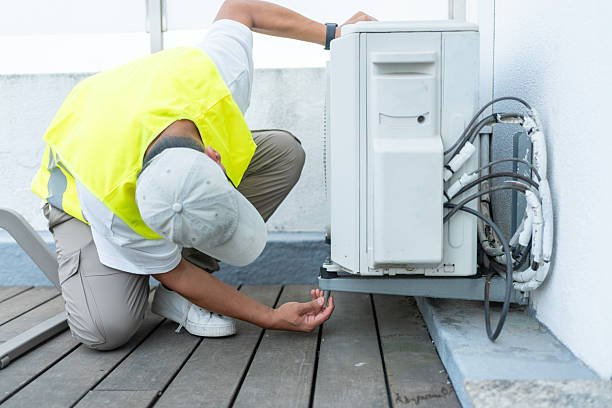
Old equipment is removed when necessary, and the new system is positioned and connected.
After installation, technicians can test heating and cooling operation, airflow, thermostat response, and other system functions before the project is completed.
Action Heating and Air Conditioning works with commercial properties that need properly planned heating and cooling solutions.
Plan Maintenance From the Beginning
A new commercial HVAC system still requires ongoing maintenance.
Filters, coils, drainage components, electrical connections, and other parts should be inspected according to the equipment’s maintenance requirements.
Planning routine service early can help businesses stay ahead of preventable problems.
Commercial HVAC installation in Muncy, PA can also be considered alongside ongoing HVAC repair and maintenance when businesses are evaluating heating-system options.
Maintaining newly installed equipment can support more consistent operation and help property owners identify developing issues before they become larger disruptions.
Reduce Business Disruption During Installation
Commercial HVAC installation may affect normal operations, particularly when equipment serves occupied areas.
Businesses should discuss installation scheduling before work begins.
Depending on the property, work may be organized around business hours or divided into stages to reduce interruption.
Clear communication between the contractor and property manager helps coordinate equipment access, workspace preparation, shutdown periods, and final testing.
A detailed installation plan can make the project easier to manage for employees, tenants, or customers.
Choosing a Commercial HVAC Contractor
Businesses should look for an HVAC contractor that evaluates the property before recommending equipment.
Ask how the system will be sized, whether existing ductwork will be inspected, which equipment options are suitable, and how performance will be tested after installation.
It is also helpful to understand what maintenance services are available once the project is complete.
Action Heating and Air Conditioning provides heating and cooling services for businesses throughout Muncy and surrounding Pennsylvania communities.
Conclusion
A commercial heating and cooling system should be designed around the actual needs of the building rather than selected using a one-size-fits-all approach.
Professional Commercial HVAC System Installation in Hughesville, PA can include building evaluation, equipment selection, ductwork review, thermostat installation, airflow testing, and system commissioning.
For businesses in Muncy, PA, Action Heating and Air Conditioning provides commercial HVAC solutions for new installations, system replacements, and ongoing heating and cooling needs.
Careful planning from the beginning can help create more reliable indoor comfort and a system that fits the way the property is used.
Frequently Asked Questions
What should be considered before installing a commercial HVAC system?
Building size, insulation, occupancy, layout, ductwork, operating hours, ventilation needs, and heating and cooling demand should all be considered before equipment is selected.
When should a commercial HVAC system be replaced?
Replacement may be worth considering when equipment requires frequent repairs, struggles to maintain comfortable temperatures, experiences recurring breakdowns, or becomes impractical to maintain.
Can existing ductwork be used with a new HVAC system?
Sometimes. Existing ducts should be inspected to determine whether their size, condition, and layout are appropriate for the new equipment.
Can a commercial HVAC system control different areas separately?
Certain systems can support zoning, allowing different sections of a property to have separate temperature controls depending on the equipment and building design.
Why is professional commercial HVAC installation important?
Professional installation helps ensure the system is properly sized, connected, configured, and tested according to the needs of the commercial p