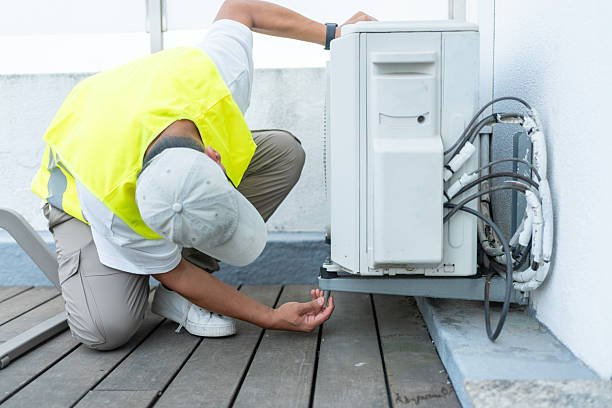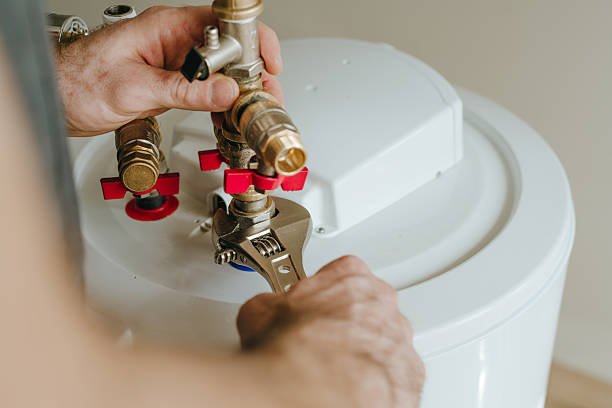
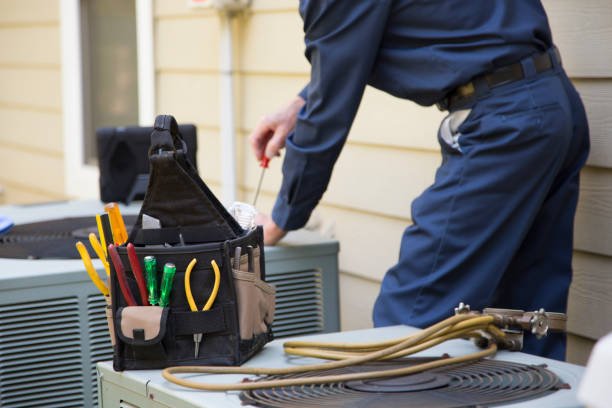
Get dependable comfort in Muncy, PA with properly planned HVAC installation. Learn what affects sizing, efficiency, and cost before choosing a system. A heating system that struggles through a cold Pennsylvania night or an air conditioner that runs constantly during humid summer weather can turn a comfortable home into a frustrating place. Sometimes the equipment is simply old. Other times, poor sizing, restricted airflow, aging ductwork, or an installation mistake is responsible.
Proper HVAC installation involves much more than placing new equipment where the old furnace or air conditioner used to sit. Action Heating and Air Conditioning approaches the subject from the standpoint that the equipment, duct system, electrical supply, drainage, controls, and characteristics of the building all need to work together.
That distinction matters in Muncy. Seasonal temperature changes put both heating and cooling equipment to work, while humidity can make a poorly performing air conditioner especially noticeable. A system selected only by price or equipment size may never provide the comfort or efficiency the homeowner expected.
What a Proper Heating and Cooling Installation Actually Involves
An HVAC system controls temperature, airflow, humidity, and ventilation throughout a building. Depending on the property, equipment may include a gas furnace, central air conditioner, heat pump, air handler, boiler, or ductless mini-split. The right configuration depends on the building rather than a one-size-fits-all recommendation.
A qualified HVAC contractor should inspect more than the existing equipment label. Square footage matters, but so do insulation levels, windows, ceiling height, building orientation, air leakage, occupancy, and existing duct capacity. These details help determine the heating and cooling load.
In Muncy, we’ve noticed that most homeowners understandably focus first on the efficiency rating and price of the equipment. Those numbers matter, but correct sizing and airflow can have just as much influence on everyday comfort.
Bigger equipment is not automatically better. An oversized air conditioner can satisfy the thermostat quickly and shut down before running long enough to remove enough indoor moisture. An undersized system may operate for extended periods while struggling to reach the desired temperature.
Ductwork also deserves attention. Crushed flex duct, disconnected sections, excessive leakage, undersized returns, or poorly positioned supply registers can restrict airflow even when the new equipment itself works correctly.
The Real HVAC Challenge for Muncy Homes
Muncy experiences the seasonal demands typical of north-central Pennsylvania. Heating performance matters during winter, while warm, humid periods place a different load on air conditioning equipment. Systems therefore need to perform efficiently across changing outdoor conditions rather than only during mild weather.
Local housing characteristics add another variable. Older properties may have additions, modified floor plans, upgraded windows, renovated attic spaces, or duct systems designed around equipment installed decades earlier. Replacing a furnace or air conditioner without reviewing these changes can preserve an existing comfort problem.
A client in Muncy reached out after noticing that an older cooling system ran for long periods while upstairs rooms remained uncomfortable. Replacing equipment based only on the old unit’s capacity would not have addressed the entire problem. Inspection of airflow and duct conditions revealed that distribution needed attention as part of the replacement plan. The scenario illustrates why equipment selection should follow diagnosis rather than guesswork.
One objection homeowners often raise is, “Why should I pay more for an assessment when another contractor can simply replace the old unit?”
The answer is that the previous system’s size is not proof that it was correct. Home insulation, windows, additions, duct modifications, and household needs may have changed. Even the original equipment may have been oversized from the beginning.
Best HVAC Repair Services can sometimes extend the useful life of equipment, particularly when the issue involves a capacitor, contactor, thermostat, igniter, condensate component, or another serviceable part. Replacement becomes more reasonable when breakdowns grow frequent, major components fail, comfort remains poor, or repair costs become difficult to justify against the system’s age and condition.
How Action Heating and Air Conditioning Approaches the Job Differently
Action Heating and Air Conditioning treats equipment selection as one part of a larger comfort system. A useful evaluation starts with the customer’s concerns: uneven rooms, high utility usage, excessive cycling, noise, weak airflow, humidity, or repeated breakdowns.
From there, the building and existing system should be examined. That can include supply and return airflow, duct condition, thermostat location, equipment capacity, electrical requirements, condensate drainage, filter access, refrigerant piping, venting requirements, and the condition of reusable components.
One issue that many generic HVAC installations pages barely explain is static pressure. Airflow resistance inside the duct system can affect equipment operation even when the furnace or air conditioner has plenty of rated capacity. Installing powerful equipment onto restrictive ductwork can create noise, weak delivery to certain rooms, and unnecessary strain on components.
This is also why homeowners comparing proposals should not judge them solely by brand names or efficiency ratings. Two estimates featuring similar equipment can represent very different scopes of work.
Ask what happens to the existing duct transitions. Find out whether the return side has enough capacity. Check whether refrigerant lines, drainage, electrical connections, disconnects, equipment pads, venting, and thermostat controls are included where applicable.
Another detail worth asking about is commissioning. After installation, technicians should verify that the equipment actually operates as intended rather than assuming factory specifications guarantee field performance. Depending on the system, checks can include temperature change, refrigerant conditions, electrical readings, airflow, thermostat operation, drainage, and heating sequence.
That final testing is one of the less visible parts of quality installation, yet it can make a major difference after the crew leaves.
What Muncy Homeowners Should Know Before Choosing a System
Start by describing comfort problems rather than requesting a specific equipment size. Tell the technician which rooms stay hot or cold, whether the system cycles frequently, where airflow feels weak, and whether utility costs have changed. Those observations can point toward issues that an equipment swap alone may not correct.
Working with clients in Muncy, our team found that homeowners often get more useful estimates when they compare the scope of installation, not just the bottom-line number. One proposal might include duct modifications, controls, disposal, start-up testing, and electrical work while another excludes several of those items.
Ask for a written proposal that identifies the equipment model, capacity, efficiency rating, warranty information, labor scope, and major accessories. Clear documentation makes competing bids easier to evaluate.
For homeowners searching for an Expert HVAC Contractor in Muncy, PA , credentials should also matter. Ask about insurance, technician qualifications, warranty procedures, permits when applicable, and who handles service after installation. Current consumer guidance likewise recommends checking qualifications, requesting proof of insurance, expecting a home evaluation, and obtaining written itemized estimates.
Do not overlook HVAC Maintenance after new equipment goes into service. Filters still require regular attention, outdoor coils need adequate clearance, condensate drains can develop restrictions, and mechanical components should be inspected periodically.
Maintenance also gives a technician an opportunity to spot small changes before they become inconvenient failures. Unusual noises, longer run times, inconsistent temperatures, frequent thermostat adjustments, water around indoor equipment, or unexpected increases in energy consumption all deserve attention.
For local homes, another useful tip is to discuss humidity performance during equipment selection. A unit should not merely reach the thermostat setting. It should provide comfortable operation under the conditions the house experiences during warm Pennsylvania weather.
Finally, ask the question many homeowners hesitate to ask: What am I paying for besides the equipment?
A good answer should explain labor, materials, removal of old equipment, system modifications, testing, warranty coverage, and any additional work. If the contractor cannot clearly explain the proposal, a low price should not automatically make it the better value.
Plan for Comfort Beyond Installation Day
A new heating and cooling system should solve existing comfort problems rather than carry them into the next equipment cycle. Proper evaluation, sizing, airflow planning, installation, and final testing give homeowners a stronger basis for choosing equipment that fits their property. For homeowners considering Top HVAC Installations near me in Muncy, PA Action Heating and Air Conditioning can assess the existing system and explain the practical options before work begins. Start with an on-site evaluation and compare the recommended scope, not simply the equipment price.
FAQs
How much does a new HVAC system cost in Muncy, PA?
Cost depends on system capacity, equipment efficiency, home layout, duct modifications, electrical work, installation difficulty, and whether both heating and cooling equipment need replacement. Rather than relying on a generic online price, request an itemized local estimate after an on-site evaluation so you can see exactly what the quoted price covers.
How do I know an HVAC contractor is legitimate?
Ask for proof of insurance and appropriate credentials, then review recent customer feedback and get the proposed work in writing. A trustworthy contractor should be willing to explain equipment sizing, warranty coverage, labor, testing, and additional charges. Be cautious if someone pressures you into immediate replacement without first inspecting the system.
Should I repair my HVAC system or replace it?
Consider the equipment’s age, repair history, efficiency, comfort performance, and cost of the current repair. A relatively minor failure may justify repair when the rest of the system remains sound. Repeated breakdowns, major component failures, poor comfort, or rising operating costs can make replacement a more practical long-term decision.
How long do HVAC installations usually take?
A straightforward residential replacement can often be completed within a working day, while projects involving duct modifications, electrical changes, new refrigerant lines, zoning, or equipment relocation may take longer. Ask the installer about the expected schedule beforehand and whether heating or cooling will be unavailable overnight during a larger project.
What size HVAC system does my Muncy home need?
Square footage alone cannot determine the right capacity. Insulation, windows, air leakage, ceiling height, orientation, occupancy, ductwork, and local weather conditions affect the building’s heating and cooling load. Proper sizing helps reduce excessive cycling, temperature swings, humidity concerns, unnecessary energy use, and premature equipment wear.