A dependable Commercial HVAC Systems setup is one of the most important investments for any business in Muncy, PA. Whether you manage an office, retail store, healthcare facility, warehouse, or restaurant, your heating and cooling system directly affects employee comfort, customer satisfaction, and operating costs.
Heating & Air Conditioning professionals understand that every commercial building has different heating and cooling requirements. Choosing the right equipment, scheduling routine HVAC Maintenance, and planning a proper Commercial HVAC system installation can improve indoor comfort while reducing energy expenses throughout the year.
This guide explains how commercial HVAC systems work, what businesses should consider before installing one, and the maintenance practices that help equipment perform efficiently for years.
Why Commercial HVAC Systems Matter for Businesses
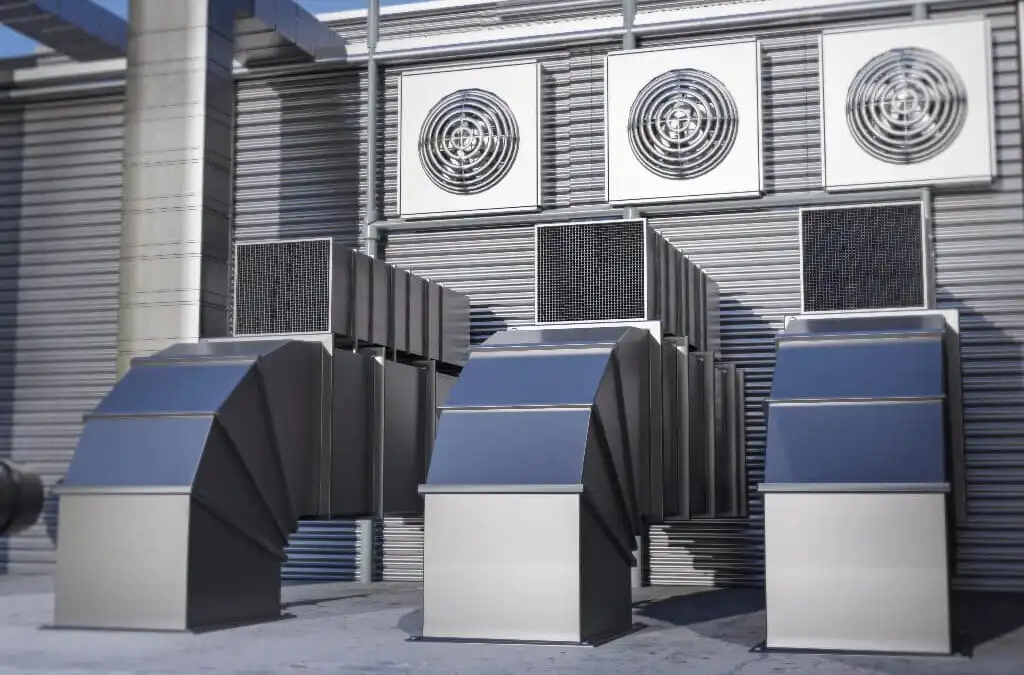
Unlike residential units, commercial HVAC equipment is designed to handle larger spaces, heavier workloads, and more complex airflow requirements. The right system creates a comfortable indoor environment regardless of outdoor weather conditions.
Benefits include:
- Better indoor temperature control
- Improved indoor air quality
- Lower operating costs
- Consistent airflow throughout the building
- Longer equipment lifespan
- Reduced downtime from unexpected failures
A properly designed HVAC system also helps employees stay productive while creating a comfortable experience for customers.
Commercial HVAC Systems: Choosing the Right Solution
Every commercial property has different heating and cooling demands. Factors such as building size, occupancy levels, insulation, and daily operating hours all influence system selection.
Common commercial HVAC options include:
| HVAC System | Best For | Advantages |
| Rooftop Units | Offices, retail stores | Easy maintenance, space-saving |
| Split Systems | Small businesses | Cost-effective installation |
| Heat Pumps | Moderate climates | Energy-efficient heating and cooling |
| VRF Systems | Multi-zone buildings | Excellent temperature control |
| Packaged Systems | Restaurants and shops | Compact design with reliable performance |
Selecting the appropriate system begins with a professional load calculation instead of simply replacing old equipment with a similar model.
Planning a Commercial HVAC System Installation
A successful Commercial HVAC system installation in Montoursville, PA requires careful planning before equipment arrives.
Professionals typically evaluate:
- Building layout
- Square footage
- Number of occupants
- Ventilation needs
- Energy efficiency goals
- Existing ductwork
- Electrical capacity
- Local building codes
Proper sizing is critical.
An oversized system cycles on and off too frequently, wasting energy. An undersized system struggles to maintain comfortable temperatures and experiences unnecessary wear.
Installing quality equipment correctly often leads to lower repair costs over time.
Why HVAC Maintenance Should Never Be Ignored
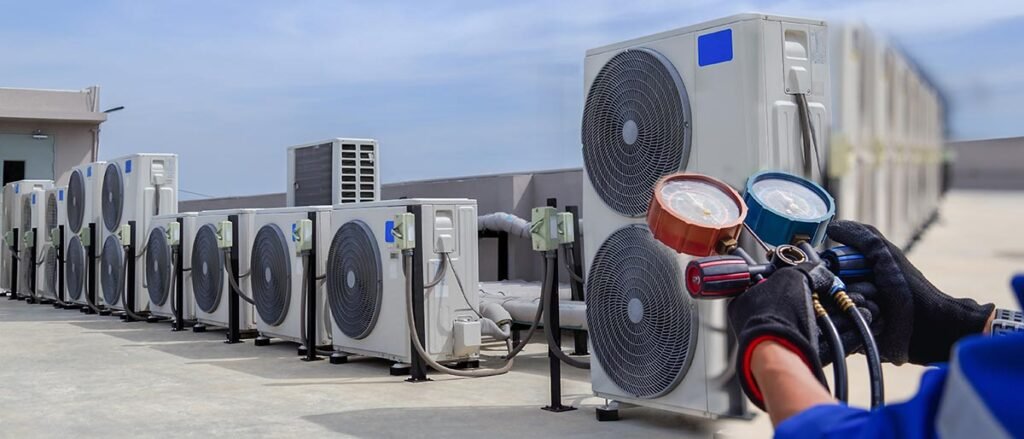
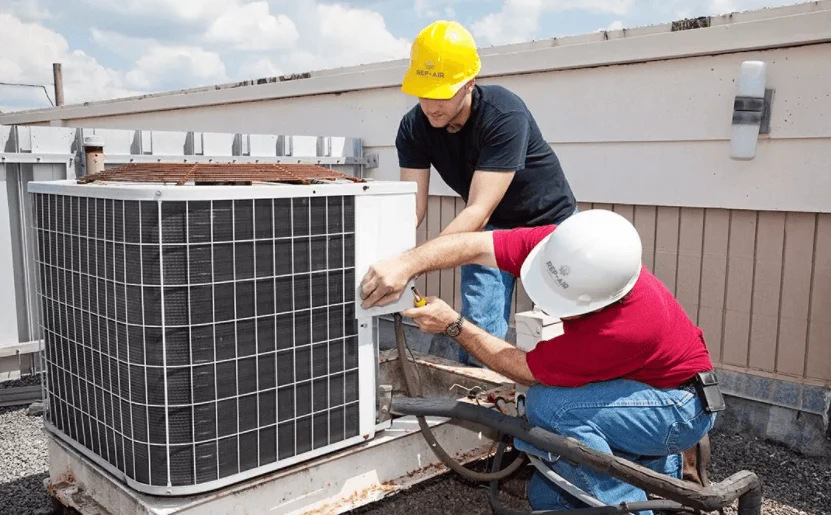
Routine HVAC Maintenance in Muncy, PA protects your investment and keeps equipment operating efficiently.
Regular maintenance usually includes:
- Air filter replacement
- Thermostat testing
- Electrical inspections
- Belt adjustments
- Refrigerant level checks
- Coil cleaning
- Drain line inspection
- Lubricating moving parts
Businesses that schedule preventive maintenance often experience:
- Lower utility bills
- Fewer emergency repairs
- Better indoor air quality
- Longer equipment life
- Improved system efficiency
Skipping maintenance can lead to expensive breakdowns during peak heating or cooling seasons.
Signs Your Commercial HVAC System Needs Attention
Small problems often become major repairs if ignored.
Watch for these warning signs:
- Uneven temperatures
- Rising energy bills
- Weak airflow
- Strange noises
- Unpleasant odors
- Frequent cycling
- Poor humidity control
- Water leaks around equipment
Addressing these issues early usually costs less than waiting for complete system failure.
Energy Efficiency Tips for Business Owners
Improving HVAC efficiency doesn’t always require replacing equipment.
Simple upgrades include:
- Replace filters regularly.
- Seal duct leaks.
- Install programmable thermostats.
- Schedule seasonal inspections.
- Keep outdoor units clean.
- Upgrade insulation when possible.
- Balance airflow throughout the building.
- Train employees to avoid unnecessary thermostat adjustments.
These practices help reduce operating costs without sacrificing comfort.
Common Commercial HVAC Mistakes
Many businesses unknowingly shorten the life of their equipment by making avoidable mistakes.
Common issues include:
- Ignoring scheduled maintenance
- Blocking supply or return vents
- Choosing equipment based only on price
- Delaying minor repairs
- Installing incorrectly sized systems
- Neglecting indoor air quality
- Forgetting duct inspections
Avoiding these mistakes helps maintain consistent performance year-round.
Best Practices for Long-Term Performance
Businesses can improve HVAC reliability by following a proactive maintenance strategy.
Recommended practices include:
- Schedule professional inspections twice each year.
- Monitor monthly energy usage.
- Replace filters on schedule.
- Keep mechanical rooms clean.
- Maintain accurate service records.
- Upgrade aging controls when appropriate.
- Address unusual noises immediately.
Preventive care often costs significantly less than emergency repairs or premature equipment replacement.
How Commercial HVAC Systems Support Indoor Air Quality
Heating and cooling systems do more than regulate temperature.
Modern commercial HVAC equipment also helps:
- Remove airborne particles
- Control humidity
- Improve ventilation
- Reduce indoor pollutants
- Maintain healthier working environments
Clean indoor air supports employee well-being while creating a more comfortable environment for visitors and customers.
Conclusion
Investing in dependable Commercial HVAC Systems is an important decision for businesses throughout Muncy, PA. The right equipment, combined with professional Commercial HVAC system installation and consistent HVAC Maintenance, improves comfort, lowers operating costs, and extends equipment life. A preventive approach helps businesses avoid unexpected downtime while maintaining efficient heating and cooling throughout every season.
FAQs
- How often should commercial HVAC systems be serviced?
Most systems should receive professional maintenance twice each year—once before the cooling season and once before the heating season.
- How long do commercial HVAC systems typically last?
With proper maintenance, many commercial HVAC systems operate efficiently for 15 to 20 years.
- What affects commercial HVAC installation costs?
Building size, equipment type, ductwork, energy efficiency features, and installation complexity all influence overall costs.
- How can businesses reduce HVAC energy costs?
Routine maintenance, programmable thermostats, clean filters, sealed ductwork, and energy-efficient equipment all help reduce operating expenses.
- When should a commercial HVAC system be replaced instead of repaired?
Replacement becomes a better option when repair costs increase frequently, energy bills continue rising, or equipment reaches the end of its expected lifespan.