Mini Splits have become one of the most practical heating and cooling options for homeowners looking to improve comfort while reducing energy costs. Whether you’re upgrading an older HVAC system, finishing a basement, or adding climate control to a new room, Heating & Air Conditioning professionals can help determine whether a ductless solution fits your needs. Understanding how Mini Splits work, how they’re installed, and how to maintain them helps homeowners in Jersey Shore, PA, make informed decisions about long-term indoor comfort.
Why More Homeowners Are Choosing Mini Splits
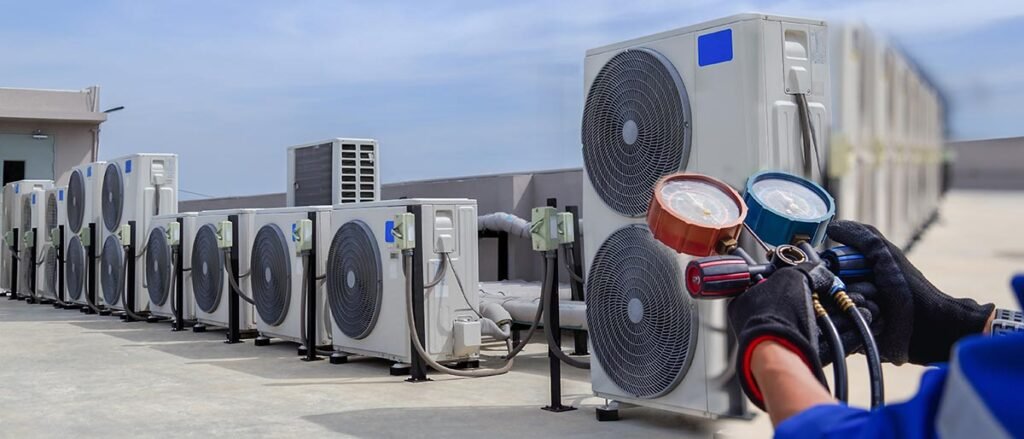
Mini Split systems deliver both heating and cooling without requiring ductwork. Instead of relying on a central air system, they use an outdoor condenser connected to one or more indoor air handlers. This design allows homeowners to control temperatures in individual rooms while improving energy efficiency.
Many homes in Jersey Shore include additions, garages, older structures, or finished basements where extending ductwork isn’t practical. Mini Splits provide an effective solution for these spaces.
Some of the biggest advantages include:
- Individual room temperature control
- Improved energy efficiency
- Quiet operation
- Faster installation than traditional ducted systems
- Better indoor comfort throughout the year
- Reduced energy waste from duct leakage
Mini Splits Installation: What to Expect
Professional Mini Splits installation involves much more than mounting indoor equipment. Proper sizing and placement directly affect comfort and system performance.
A typical installation process includes:
- Evaluating room size and insulation
- Determining the correct system capacity
- Choosing ideal indoor unit locations
- Installing the outdoor condenser
- Connecting refrigerant and electrical lines
- Testing system performance
- Verifying airflow and temperature settings
Professional sizing is essential because an oversized or undersized system may increase energy use while reducing comfort.
HVAC Mini Split AC Installation for Different Home Types
HVAC Mini split AC installation works well for a wide variety of residential situations.
Common applications include:
- Older homes without ductwork
- Home additions
- Garages
- Finished basements
- Sunrooms
- Home offices
- Guest rooms
- Small apartments
Because each indoor unit operates independently, homeowners can cool or heat only the rooms being used.
Comparing Mini Splits and Central HVAC
| Feature | Mini Splits | Central HVAC |
| Ductwork Required | No | Yes |
| Room-by-Room Control | Yes | Limited |
| Energy Efficiency | High | Moderate |
| Installation Time | Faster | Longer |
| Best for Additions | Excellent | Less Practical |
| Indoor Noise | Very Quiet | Moderate |
Mini Splits Maintenance Keeps Systems Running Efficiently
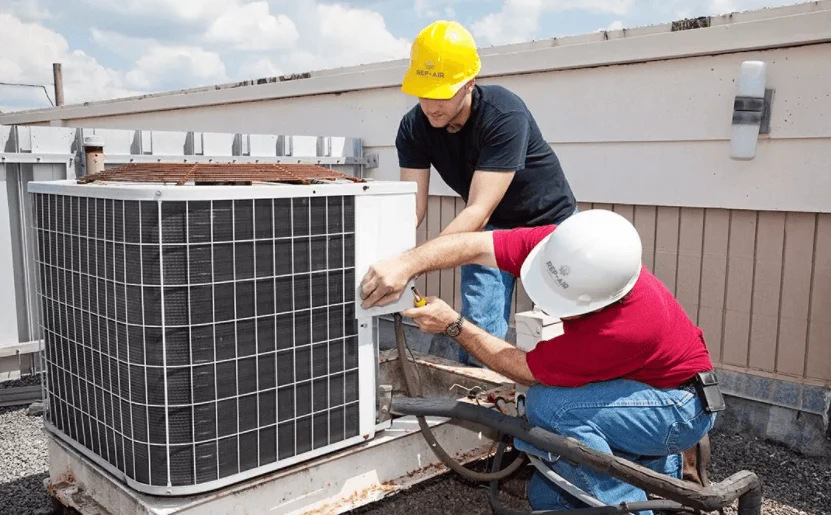
Regular Mini Splits maintenance in Jersey Shore, PA helps improve efficiency and extends equipment life. Like any HVAC equipment, these systems perform best with routine inspections and cleaning.
Maintenance typically includes:
- Cleaning washable air filters
- Inspecting refrigerant levels
- Cleaning indoor coils
- Washing outdoor condenser coils
- Checking electrical connections
- Inspecting condensate drains
- Testing thermostat operation
Many homeowners can clean filters every few weeks, but annual professional maintenance helps identify developing issues before they become expensive repairs.
Best Maintenance Practices
Follow these habits to keep your Mini Split performing efficiently:
- Clean filters regularly.
- Keep outdoor units free of leaves and debris.
- Avoid blocking indoor air handlers.
- Schedule annual inspections.
- Watch for unusual sounds or odors.
- Monitor energy bills for unexpected increases.
Signs Your Mini Split May Need Repairs
Even reliable systems eventually require service. Recognizing warning signs early helps prevent larger problems.
Common indicators include:
- Weak airflow
- Uneven temperatures
- Water leaks
- Ice buildup
- Strange noises
- Higher utility bills
- System won’t start
- Frequent cycling
Professional Mini Splits repair in Lock Haven, PA System maintenance often addresses issues such as refrigerant leaks, clogged drains, faulty sensors, worn electrical components, or damaged fan motors.
Prompt repairs usually reduce downtime and help avoid more costly damage.
Common Installation Mistakes to Avoid
Proper installation has a significant impact on long-term performance. Some common mistakes include:
- Choosing the wrong system size
- Installing indoor units too close to ceilings
- Poor outdoor unit placement
- Incorrect refrigerant charging
- Ignoring electrical requirements
- Skipping airflow testing
Working with qualified HVAC professionals helps avoid these issues and ensures the system operates efficiently.
Energy-Saving Tips for Mini Splits
Mini Splits already offer impressive efficiency, but homeowners can reduce energy use even further by following a few simple practices.
Helpful tips include:
- Set consistent temperatures instead of frequent adjustments.
- Use programmable schedules when available.
- Keep doors and windows closed during operation.
- Clean filters regularly.
- Seal air leaks around windows and doors.
- Schedule yearly maintenance.
These habits help improve comfort while reducing operating costs throughout the year.
Is a Mini Split Right for Your Home?
Mini Splits are an excellent option for many homes in Jersey Shore, especially properties without existing ductwork or homes needing temperature control in specific areas.
They are particularly useful for:
- Room additions
- Historic homes
- Multi-family properties
- Finished garages
- Home offices
- Detached workshops
A professional evaluation can determine the right system size and indoor unit placement based on your home’s layout.
Conclusion
Choosing Mini Splits for your Jersey Shore, PA, home can improve comfort, increase energy efficiency, and provide flexible temperature control throughout the year. Whether you’re considering HVAC Mini split AC installation, planning routine Mini Splits maintenance, or scheduling Mini Splits repair System maintenance, proper installation and regular service help maximize system performance and lifespan. By understanding your home’s needs and following recommended maintenance practices, you can enjoy reliable heating and cooling for years to come.
FAQs
- How long does Mini Split installation usually take?
Most residential installations are completed within one day, although larger multi-zone systems may require additional time.
- Do Mini Splits provide both heating and cooling?
Yes. Most modern Mini Split systems function as heat pumps, providing efficient heating during winter and cooling during summer.
- How often should Mini Split filters be cleaned?
Filters should generally be cleaned every two to four weeks, depending on usage and indoor air quality.
- Are Mini Splits energy efficient?
Yes. Because they avoid duct losses and allow zoned temperature control, Mini Splits often use less energy than traditional HVAC systems.
- How often should professional maintenance be scheduled?
Most manufacturers recommend professional maintenance at least once each year to keep the system operating efficiently and to help prevent unexpected repairs.