
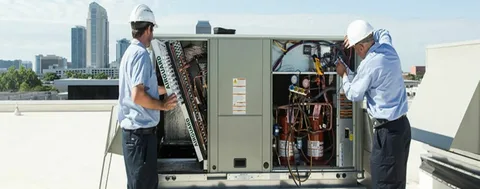
Learn how mini split installation service works, from sizing and placement to electrical needs, airflow, efficiency, and maintenance for Lock Haven homes.
A heating and cooling system needs to match the way a home is actually used. Action Heating and Air Conditioning helps homeowners evaluate a Mini split installation service in Lock Haven, PA when individual rooms, additions, older spaces, or areas with uneven temperatures need a more focused comfort solution. Mini splits can provide heating and cooling without relying on the same ductwork used by traditional central systems.
In Jersey Shore, PA, homeowners researching Mini Splits installation may be comparing ductless systems with central HVAC equipment, window units, or other heating and cooling options. The right choice depends on the home’s layout, insulation, electrical capacity, room size, and comfort requirements.
A ductless system is not automatically the best choice for every property. Good planning starts by understanding how the space behaves throughout the year and what the homeowner wants the system to accomplish.
Understanding How Mini Split Systems Work
A Mini split installation service in Lock Haven, PA generally includes an outdoor condenser and one or more indoor air-handling units. Refrigerant lines connect the indoor and outdoor components, allowing the system to transfer heat between the home and outside environment.
Unlike a traditional forced-air system, mini splits do not require large supply and return ducts throughout the building.
This makes them useful in spaces where installing new ductwork would be difficult or disruptive.
Common applications include:
- Room additions
- Finished basements
- Garages converted into living areas
- Older homes without existing ductwork
- Bedrooms with uneven temperatures
- Detached living spaces
- Areas that need independent temperature control
The number and location of indoor units should reflect the layout and heating and cooling needs of the property.
Sizing Matters More Than Simply Choosing a Larger System
One of the most important parts of a ductless installation is determining the appropriate capacity.
A system that is too small may struggle to maintain the desired temperature during extreme weather. An oversized system can also create problems by cycling differently than intended and failing to manage indoor conditions efficiently.
Room size provides only part of the information needed for proper sizing.
Other factors include insulation, windows, ceiling height, building orientation, air leakage, occupancy, and the relationship between rooms.
A professional assessment should account for these conditions rather than selecting equipment based only on square footage.
Indoor Unit Placement Affects Everyday Comfort
Where an indoor unit goes can influence airflow, appearance, noise, and temperature distribution.
A wall-mounted unit should have sufficient clearance around it to distribute air effectively. Its location should also work with furniture, doors, windows, and the normal movement of people through the room.
Some homes may benefit from multiple indoor units instead of relying on one unit to serve several separate spaces.
The goal is not simply to place equipment where installation is easiest. The placement should support how the room is used.
Mini Split Installation Service Requires More Than Equipment Selection
A Mini split installation service involves several technical considerations beyond choosing an indoor and outdoor unit.
The outdoor condenser needs an appropriate location with adequate clearance and a stable mounting surface. Refrigerant line routing should account for distance, bends, protection, and the path between indoor and outdoor equipment.
Condensate management also matters. Indoor units produce condensation during cooling, and that water needs a suitable drainage route.
Electrical requirements should be evaluated before installation as well. The system needs the correct electrical supply and protection for its equipment.
Mini Split Installation Service Should Match the Home
A Mini split installation service should begin with the characteristics of the property rather than a standard equipment package.
The installer should understand which rooms need conditioning, how the spaces connect, what insulation exists, and whether the homeowner wants heating, cooling, or both.
This assessment can also identify situations where another HVAC configuration may provide better overall coverage.
For a small addition, one indoor unit may be appropriate. A larger home with multiple separated rooms may require several indoor units or a different system design.
Comparing Mini Splits With Traditional Central HVAC
Both systems can provide reliable comfort, but they approach the home differently.
| Feature | Mini Split System | Central HVAC |
| Ductwork | Not required | Usually required |
| Zone Control | Strong option | Depends on system design |
| Installation | Useful where ducts are difficult | Often suited to homes with existing ducts |
| Room-by-Room Control | Available | More limited without zoning |
| Remodeling Impact | Often less invasive | May require duct modifications |
| Best Fit | Individual zones or ductless spaces | Whole-home ducted systems |
Neither system works best in every situation. Existing infrastructure and the home’s layout should guide the decision.
Seasonal Performance in Pennsylvania
Pennsylvania homes experience significant temperature changes throughout the year. A mini split used for both heating and cooling therefore needs to match the home’s seasonal demands.
Cold-weather performance is an important consideration when selecting a system intended to provide heat during winter.
The home’s insulation also matters. Even a well-designed HVAC system can struggle when a room has substantial air leakage or inadequate insulation.
This is why equipment selection and building conditions should be evaluated together.
Mini Splits Maintenance Supports Consistent Operation
Mini Splits maintenance in Jersey Shore, PA should become part of normal HVAC care.
Indoor filters can collect dust and reduce airflow when they become heavily loaded. Outdoor units can also accumulate leaves, dirt, and other debris that restrict airflow.
Periodic professional service can provide an opportunity to inspect refrigerant-related components, electrical connections, drainage, airflow, and overall system operation.
Homeowners should also pay attention to changes in performance. Unusual sounds, reduced airflow, water around an indoor unit, or unexplained temperature changes can indicate that the system needs attention.
Common Planning Mistakes With Mini Splits
One common mistake is choosing equipment based only on price or room size. Capacity and system design should reflect actual building conditions.
Another issue involves poor indoor unit placement. A unit positioned behind furniture or in a location with restricted airflow may not distribute conditioned air effectively.
Homeowners may also overlook condensate drainage and electrical requirements until installation is underway.
Another mistake is treating maintenance as optional. Filters, coils, drainage components, and outdoor equipment all need attention over time.
Making a Ductless System Work With the Home
Mini splits can be particularly useful when a homeowner wants to improve comfort in a specific area without rebuilding an entire duct system.
However, the system should work with the rest of the home. Insulation, air sealing, existing HVAC equipment, and room usage can all affect the final result.
In some cases, improving the building envelope may be worthwhile before installing additional heating or cooling capacity.
The best HVAC decision considers the entire comfort problem rather than treating the equipment as the only solution.
Conclusion
A Mini Splits installation can provide targeted heating and cooling for rooms where traditional ductwork is difficult, inefficient, or impractical. Proper sizing, indoor unit placement, electrical planning, condensate management, and outdoor equipment location all affect how the system performs.
For homeowners in Lock Haven and Jersey Shore, Action Heating and Air Conditioning can evaluate the home’s layout and comfort requirements before determining whether a ductless system fits the property. Careful planning helps ensure that the equipment supports the space instead of simply adding another HVAC component.
FAQ
Are mini splits suitable for heating as well as cooling?
Many mini split systems provide both heating and cooling. Their suitability for winter heating depends on the specific equipment, climate conditions, home insulation, and system design.
How many indoor mini split units does a home need?
There is no standard number. The requirement depends on the home’s layout, room sizes, insulation, desired temperature zones, and how spaces connect with one another.
Do mini splits require ductwork?
No. Mini splits use refrigerant lines and electrical connections between indoor and outdoor components rather than traditional supply and return ductwork.
How often should mini splits receive maintenance?
Maintenance frequency depends on usage, indoor air conditions, system design, and manufacturer recommendations. Filters may need more frequent attention than other components.
Are mini splits a good option for an older home?
They can be useful in older homes, particularly where installing new ductwork would be difficult. However, the home’s insulation, electrical system, room layout, and existing heating equipment should be evaluated before choosing a system.

