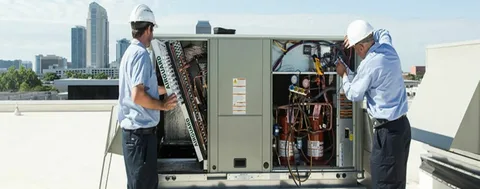
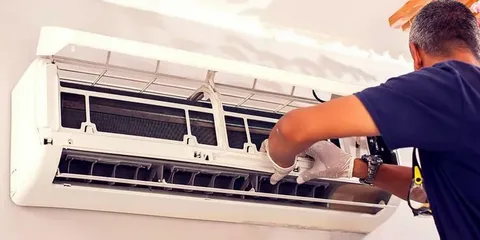
Learn about Mini split AC installation in Montoursville, PA, plus Mini split installation service and Mini Splits repair options for homes in Hughesville, PA.
Heating and cooling individual rooms can be difficult when a home has uneven temperatures or areas that need more control. Mini split AC installation in Montoursville, PA can provide a practical way to heat or cool specific spaces without relying on the same approach used by a traditional central system. Action Heating and Air Conditioning helps homeowners understand how mini split systems work, where they can be useful, and what factors matter before installation.
A mini split system connects an outdoor unit with one or more indoor units. This setup allows homeowners to control temperatures in individual rooms or zones. The right system depends on the home’s layout, insulation, room size, electrical requirements, and heating and cooling goals.
For homeowners in Montoursville, PA and Hughesville, PA, understanding installation, maintenance, and repair considerations can help create a more reliable approach to year-round indoor comfort.
Understanding Mini Split AC Installation
Planning Mini Split AC Installation in Montoursville, PA
Mini split AC installation in Montoursville, PA begins with evaluating the areas that need heating or cooling. Room size, ceiling height, insulation, windows, sunlight exposure, and existing HVAC equipment can all affect system selection.
The location of the indoor unit also matters. It should provide effective air distribution without interfering with furniture, doors, windows, or other features. The outdoor unit requires suitable placement as well, with enough clearance for airflow and access for future maintenance.
Homeowners should also consider how many zones they need. A single-zone system may work for one room or a small addition, while a multi-zone setup can serve several areas independently. Choosing the correct configuration helps prevent an undersized or oversized system.
How Mini Split Systems Work
Mini split systems use an outdoor compressor or condenser connected to indoor air-handling units through refrigerant lines and electrical connections. Each indoor unit distributes conditioned air into its designated area.
This zoned approach can help homeowners manage rooms according to their actual usage. For example, a frequently used bedroom may need different temperature settings from a guest room or home office.
Mini splits can also work well in spaces where extending existing ductwork would be difficult. Home additions, converted garages, workshops, older homes, and individual rooms may benefit from a ductless approach.
Choosing the Right System Size
System size should match the space being conditioned. A unit that is too small may run continuously while struggling to maintain the desired temperature. An oversized system can cycle too frequently and may not provide consistent comfort.
Professional sizing should consider more than square footage. Window placement, insulation, ceiling height, exterior exposure, occupancy, and local weather conditions can influence the required capacity.
Homeowners should avoid selecting equipment based solely on a general room-size chart. A property evaluation provides more useful information for choosing an appropriate system.
Installation Considerations for Pennsylvania Homes
Pennsylvania homes experience significant seasonal changes, so homeowners should consider both cooling and heating performance when selecting a mini split system. A system designed only around summer cooling may not meet the home’s needs during colder months.
Insulation and air sealing also affect performance. A mini split can operate correctly while a poorly insulated room continues to lose conditioned air. Improving the building envelope may therefore support better comfort and system efficiency.
Electrical requirements should receive attention before installation. The selected equipment must work with the home’s electrical system and available capacity.
Mini Split Installation Service in Hughesville, PA
A Mini split installation service in Hughesville, PA should include more than mounting an indoor unit and placing an outdoor condenser. Proper installation requires attention to refrigerant lines, electrical connections, drainage, equipment positioning, and system testing.
The indoor unit needs secure mounting and suitable placement for air distribution. Refrigerant lines should be routed carefully, while condensate drainage must allow moisture to leave the system properly.
After installation, the system should be checked to confirm that heating and cooling functions operate correctly. Homeowners should also understand basic controls and recommended maintenance procedures before regular use begins.
Mini Splits Repair in Hughesville, PA
Mini Splits repair in Hughesville, PA may become necessary when a system stops providing consistent comfort or develops an operating problem. Uneven cooling, unusual sounds, weak airflow, water leaks, repeated shutdowns, or temperature control problems can indicate that the system needs attention.
Some issues may result from dirty filters or restricted airflow, while others can involve electrical components, refrigerant problems, sensors, drainage, or mechanical parts. Repeatedly resetting a malfunctioning system without identifying the cause can allow a small issue to become more complicated.
Regular maintenance can help identify developing problems before they affect system performance. Keeping filters clean and maintaining clear airflow around indoor and outdoor units are simple parts of routine care.
Comparing Mini Split and Central AC Systems
| HVAC Option | Main Benefit | Main Consideration |
| Mini Split | Zoned temperature control | Requires indoor units |
| Central AC | Conditions multiple rooms through ducts | Requires ductwork |
| Window AC | Lower initial installation complexity | Usually serves one room |
| Portable AC | Flexible placement | Lower capacity for larger spaces |
The appropriate system depends on the home’s layout, existing HVAC setup, comfort requirements, and installation conditions.
Common Mini Split Installation Mistakes
One common mistake is choosing equipment without properly sizing the space. System capacity should match the actual heating and cooling load rather than relying only on room dimensions.
Another mistake is placing indoor units where furniture or architectural features restrict airflow. Even a properly sized system may struggle to distribute conditioned air when placement limits circulation.
Homeowners should also avoid ignoring outdoor unit clearance. The condenser needs adequate airflow and access for maintenance. Blocking the unit with stored items, vegetation, or other objects can affect performance.
Skipping routine filter cleaning can create additional problems. Restricted airflow can reduce comfort and place unnecessary strain on the equipment.
Best Practices for Mini Split Maintenance
Regular maintenance helps keep mini split systems operating properly. Filters should receive routine attention based on the home’s dust levels and system use. Indoor units should also remain clear of objects that restrict airflow.
The outdoor unit should have adequate clearance around it. Leaves, branches, and other debris should not accumulate around the condenser.
Homeowners should also pay attention to changes in performance. Unusual noises, inconsistent temperatures, unexpected water, or frequent cycling can indicate a developing issue that deserves evaluation.
Actionable Tips Before Installation
Before installing a mini split system, identify which rooms need independent temperature control. Consider how often each space is used and whether heating, cooling, or both are required.
Check the condition of insulation around the selected rooms and think about potential indoor and outdoor unit locations. It is also useful to review the home’s electrical capacity before selecting equipment.
Finally, consider future needs. If a home addition, converted space, or room renovation is planned, incorporating HVAC requirements into the design can make the installation process more straightforward.
Conclusion
A properly planned Mini split AC installation in Montoursville, PA can provide targeted temperature control for rooms that need independent heating and cooling. System sizing, unit placement, electrical requirements, insulation, and installation quality all influence long-term performance.
For homeowners in Montoursville, PA and Hughesville, PA, understanding a Mini split installation service in Hughesville, PA and knowing when Mini Splits repair in Hughesville, PA may be necessary can support better HVAC planning. Action Heating and Air Conditioning helps homeowners approach mini split projects with attention to system selection, installation details, maintenance, and everyday comfort.
FAQ
What is a mini split AC system?
A mini split system connects an outdoor unit to one or more indoor units and provides heating or cooling without requiring traditional ductwork throughout the home.
Is mini split AC installation suitable for older homes?
Mini splits can work well in older homes where adding ductwork may be difficult. The home’s layout, insulation, electrical system, and comfort requirements should still be evaluated.
How do I choose the right mini split size?
The correct size depends on factors such as room dimensions, insulation, windows, ceiling height, sunlight exposure, and heating or cooling requirements.
What does a mini split installation service include?
Installation can involve equipment placement, indoor unit mounting, refrigerant line connections, electrical work, drainage setup, system testing, and control setup.
When should I schedule Mini Splits repair?
Repair may be appropriate when a system develops weak airflow, inconsistent temperatures, unusual sounds, water leaks, repeated shutdowns, or other changes in normal operation.