
Affordable Mini Splits Installation in Hughesville, PA
Hughesville homeowners can get steadier comfort with Mini Splits Installation. Learn what affects sizing, cost, and performance before you request a quote. A room that stays chilly in January but feels stuffy in July is a familiar frustration in Hughesville, especially in older homes, additions, garages, and rooms far from the main HVAC equipment. Mini Splits Installation can solve that comfort problem without extending traditional ductwork. From the perspective shared by Action Heating and Air Conditioning, the key is choosing and placing the equipment for the actual home rather than simply matching a room to a BTU number.
What Mini Splits Actually Do in Hughesville Homes
A Best Mini Splits Services system is a ductless heating
and cooling system made up of an outdoor condenser and one or more indoor air handlers. Refrigerant lines connect the indoor and outdoor equipment through a small wall penetration, so there is no need to build new supply and return ducts.
That makes the technology particularly useful for spaces that are difficult to condition with an existing furnace or central air system. An upstairs bedroom, finished attic, sunroom, home office, detached garage, or addition can receive its own temperature control without opening walls to install ductwork. ENERGY STAR also identifies older homes without existing ductwork and additions or outbuildings as common applications for ductless heat pumps.
In Hughesville, we’ve noticed that most homeowners first consider a ductless system because one part of the house simply does not behave like the rest. The thermostat may say 70°F while a bedroom at the end of the house feels noticeably colder. During summer, the same room may become the hottest area in the home.
Sizing matters more than many homeowners realize. A professional should consider room dimensions, insulation, windows, sun exposure, and air leakage rather than relying on a quick square-footage estimate. ENERGY STAR recommends verifying system size with a Manual J load calculation because oversized or undersized equipment can hurt comfort and performance.
A multi-zone setup can also connect several indoor units to one outdoor condenser. That gives different rooms individual controls, although the layout and capacity of the outdoor equipment must support the combined demand.
The Real Challenge in Hughesville, PA
Hughesville homeowners deal with a genuine four-season workload. Summers can bring high heat and humidity, while winter weather creates sustained heating demand and occasional snow and ice around outdoor equipment. A system that performs well for air conditioning alone is not automatically the right choice for winter heating.
A client in Hughesville reached out when they noticed their second-floor bedroom was consistently colder than the rest of the house in winter and unbearably warm upstairs in summer. The existing ductwork served the main living areas well but did little for that particular room. A properly selected ductless system gave the space independent heating and cooling without the disruption of adding a new duct branch.
The question many homeowners hesitate to ask is simple: Will a mini split really heat my room during a Pennsylvania cold snap?
The honest answer is that it depends on the equipment and the design. Cold-climate heat pumps are specifically tested for low-temperature performance, and ENERGY STAR-certified models can provide useful heating well below freezing. However, heating capacity and efficiency change as outdoor temperatures fall, so the model’s low-temperature ratings matter more than a generic claim that a unit “works in winter.”
Another overlooked issue is outdoor-unit placement. Snow accumulation, roof runoff, restricted airflow, and winter defrost water all deserve attention.
Top Mini Splits Repair Services in Hughesville, PA can also become more complicated when an installation was poorly sized or poorly positioned from the start. A frozen coil, refrigerant problem, drainage issue, or communication fault may look like a simple equipment failure when the underlying issue is installation quality.
How Action Heating and Air Conditioning Approaches It Differently
A useful installation starts before anyone mounts an indoor head on the wall. The first step is understanding how the room is used, what the existing heating system does well, and where it falls short.
Action Heating and Air Conditioning’s approach should begin with a room-by-room assessment rather than treating every Hughesville property as the same. That means checking available electrical service, identifying a practical location for the outdoor condenser, considering line-set routing, reviewing condensate drainage, and deciding whether one indoor unit or several makes sense.
The overlooked detail is air movement. A mini split does not magically distribute conditioned air through closed rooms. An indoor head can condition its own space very effectively, but walls, doors, stairwells, and room orientation still affect how far that comfort travels. Installing one powerful head in a hallway is not always better than using smaller heads in the rooms that actually need independent control.
This is one area where generic local service pages tend to be thin. Many pages mention ductless installation, repair, and maintenance, but provide relatively little practical guidance about cold-weather capacity, placement, load calculations, or what homeowners should expect from the design process.
The installation itself should include secure mounting, correctly sized refrigerant piping, proper insulation on the line set, electrical connections that meet applicable requirements, condensate management, evacuation of the refrigerant circuit with a vacuum pump, and operational testing. Those details are not cosmetic. They influence reliability, noise, moisture control, and the life of the equipment.
For a new system, ask for the equipment model numbers, warranty information, electrical requirements, expected heating performance at low temperatures, and maintenance recommendations. Those answers make it easier to compare quotes based on the actual system rather than just the headline price.
Practical Tips: What to Know Before You Decide
- Solve the room problem first.
Think about why the space is uncomfortable. Is it poorly insulated? Does it sit over a garage? Is there too much afternoon sun? Does the existing ductwork undersupply it? A mini split can deliver strong heating and cooling, but fixing an insulation or air-leakage problem may improve comfort more than simply installing larger equipment. - Do not choose the largest unit available.
Bigger is not automatically better. An oversized system can cycle differently than expected and may not control humidity as effectively. Proper load calculations help match capacity to the home’s actual needs. - Ask about low-temperature performance.
For Hughesville, winter specifications deserve attention. Look at the manufacturer’s rated heating capacity at low outdoor temperatures rather than focusing only on the maximum BTU rating. If the system will replace an existing furnace or boiler, discuss whether backup heat is necessary. - Think about where snow will go.
The outdoor condenser needs adequate clearance and a location that does not become buried by drifting snow or receive constant roof runoff. The stand or mounting arrangement should also keep the equipment appropriately elevated for local conditions. - Keep maintenance simple.
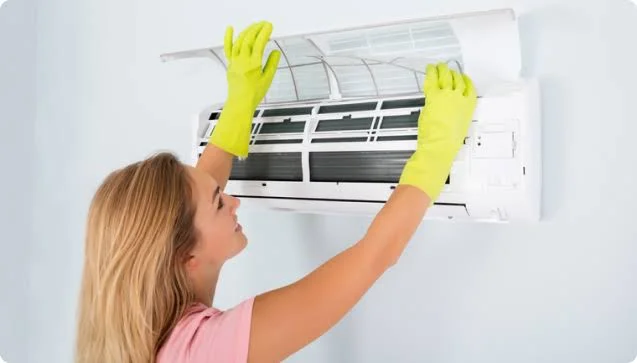
Mini Splits maintenance usually includes cleaning indoor filters, checking coils and airflow, inspecting the outdoor unit, examining electrical connections, checking drainage, and reviewing system operation. Homeowners can handle routine filter cleaning, but deeper service belongs with a qualified HVAC technician. - Ask for the installation details in writing.
A good quote should make clear what equipment is included, how many indoor heads are provided, how much line-set work is covered, what electrical work is included, and what happens if additional site work is needed.
Working with clients in Hughesville, our team found that homeowners often focus heavily on the equipment brand and price while overlooking installation location. A slightly less expensive system placed poorly can create years of annoyance, while thoughtful placement can improve comfort every day.
One local market tip: compare at least two written proposals if the project is significant, but compare specifications rather than just totals. Local contractors serving Hughesville and the surrounding Williamsport area advertise ductless systems alongside conventional HVAC work, so homeowners have several service models to evaluate.
Also ask who will handle future service. Mini splits have specialized controls, sensors, refrigerant circuits, and electronic components. Knowing that qualified repair help is available locally can matter just as much as the initial installation price.
A Better Way to Plan Your Hughesville Comfort Upgrade
The right ductless system should match the house, the room, and Hughesville’s heating and cooling demands—not just the square footage on a sales sheet. Before approving a project, ask for sizing information, low-temperature performance, equipment details, placement plans, and a clear explanation of what the installation includes. If you’re considering Mini Splits Installation in Hughesville, Action Heating and Air Conditioning can be part of that evaluation; start by having the problem space assessed and ask for a written recommendation.
FAQs
Are mini splits good for heating in Hughesville, PA?
Yes, provided the equipment is selected for cold-weather operation and sized correctly. Modern cold-climate heat pumps can provide heating at temperatures below freezing, but output and efficiency vary by model. Ask for the manufacturer’s low-temperature performance data and discuss whether your home needs backup heat during the coldest weather.
How much does mini split installation cost in Hughesville?
There is no reliable single price because project cost depends on capacity, number of indoor units, electrical work, line-set length, wall access, outdoor mounting, and whether the system serves one room or several. Request a written estimate that separates equipment, installation, electrical work, and any required site preparation.
How long does a mini split system last?
A properly installed and maintained system can provide many years of service, although actual life depends on equipment quality, operating hours, maintenance, installation conditions, and climate exposure. Keep filters clean, maintain good airflow, protect the outdoor unit from obstructions, and schedule professional inspections when performance or drainage changes.
How do I know a mini split installer is legitimate?
Ask for proof of required licensing or registration, insurance, manufacturer training where applicable, written warranty terms, equipment model numbers, and references or reviews from local customers. A reputable contractor should also explain sizing, refrigerant-line work, electrical requirements, drainage, and startup testing rather than offering only a price.
Does a mini split need regular maintenance?
Yes. Basic homeowner care includes cleaning indoor filters and keeping the outdoor unit free of leaves, grass, snow, and other obstructions. Professional service can include coil cleaning, drainage inspection, electrical checks, refrigerant-system evaluation, and performance testing. Regular attention helps identify small problems before they become expensive repairs.