Learn about Mini Splits installation in Lock Haven PA, including mini split AC installation options, planning factors, and HVAC system considerations.
Heating and cooling needs can vary throughout a home, especially when different rooms require different comfort levels. Mini split systems provide a flexible option for homeowners who want efficient temperature control without major ductwork changes. Action Heating and Air Conditioning helps homeowners understand system options, installation steps, and important HVAC considerations. Many homeowners searching for Mini Splits installation want to learn how these systems work, what affects installation decisions, and whether they fit their property needs.
A mini split system involves more than mounting an indoor unit and connecting equipment. Proper planning includes evaluating room size, placement options, energy needs, and system requirements to create a reliable heating and cooling solution.
For homeowners in Lock Haven, PA and Montoursville, PA, understanding Mini split AC installation, system options, and common mistakes can help create a comfortable indoor environment.
Why Mini Split Systems Are Popular for Homes
Mini split systems provide targeted heating and cooling by allowing homeowners to control temperatures in specific areas of a property. They can work well for homes without existing duct systems or spaces that need additional comfort control.
Common benefits include:
- Flexible temperature control
- Reduced need for ductwork
- Improved room-by-room comfort
- Energy-efficient operation
- Installation options for different spaces
The right system depends on home layout, room usage, insulation conditions, and homeowner preferences.
Understanding Mini Splits Installation
How Mini Splits Installation Supports Home Comfort
Mini Splits installation in Lock Haven, PA involves selecting the right equipment, preparing installation areas, and connecting indoor and outdoor components correctly.
The installation process usually includes:
- Reviewing the home layout
- Evaluating heating and cooling needs
- Selecting system capacity
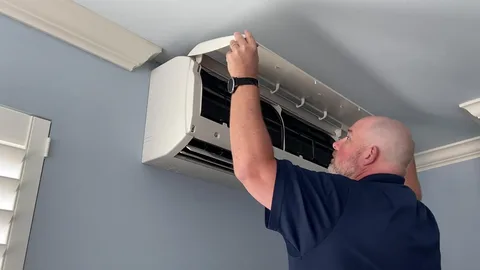
- Installing indoor units
- Connecting outdoor equipment
- Testing system operation
A proper evaluation helps homeowners choose a system that matches their comfort goals.
How Mini Split Systems Work
Mini split systems use an outdoor compressor unit connected to one or more indoor air-handling units. These components work together to provide heating and cooling without traditional duct connections.
Indoor Unit Placement
Indoor units should be placed where they can distribute air effectively.
Important considerations include:
- Room size
- Furniture placement
- Air movement
- Wall location
Outdoor Unit Location
The outdoor unit needs proper placement for reliable operation.
Factors include:
- Available space
- Airflow clearance
- Weather exposure
- Service access
Proper placement supports better performance and easier maintenance.
Choosing Mini Split AC Installation Options
Many homeowners compare different systems before starting Mini split AC installation projects.
Important factors include:
Single-Zone Systems
Single-zone systems are designed for one specific area.
They may work well for:
- Home additions
- Bedrooms
- Small offices
- Individual comfort areas
Multi-Zone Systems
Multi-zone systems connect multiple indoor units to one outdoor unit.
Benefits may include:
- Different temperature settings
- Coverage for multiple rooms
- Better comfort control
The right option depends on the size of the property and the homeowner’s heating and cooling needs.
Comparing Mini Split System Options
| System Type | Benefits | Considerations |
| Single-Zone Mini Split | Focused comfort for one area | Limited coverage |
| Multi-Zone Mini Split | Controls multiple rooms | Requires more planning |
| Ducted HVAC System | Covers entire home through ducts | Requires existing ductwork |
| Window AC Units | Simple installation | Less efficient for whole-home needs |
The best choice depends on home design, comfort goals, budget considerations, and existing HVAC setup.
The Mini Split Installation Service Process
Home Evaluation and Planning
Before installation begins, HVAC professionals review:
- Current heating needs
- Room sizes
- Electrical requirements
- Installation locations
- Future comfort goals
This step helps determine the appropriate system design.
Equipment Installation
The installation process may involve:
- Mounting indoor units
- Installing outdoor equipment
- Connecting refrigerant lines
- Checking electrical connections
Proper installation supports safe and reliable system operation.
System Testing
After installation, the system should be tested to confirm proper performance.
Testing may include:
- Checking airflow
- Reviewing temperature control
- Confirming system operation
- Explaining basic maintenance needs
Working With Mini Split Installation Service Providers
Homeowners searching for Mini split installation service in Montoursville, PA should consider factors such as experience, system knowledge, and installation methods.
A professional installation approach should include:
- Proper system sizing
- Correct equipment placement
- Safe connections
- Performance testing
- Maintenance guidance
A well-planned installation helps homeowners get better long-term value from their HVAC system.
Common Mini Split Installation Mistakes
Choosing the Wrong System Size
A system that is too large or too small may affect comfort and efficiency.
Ignoring Room Conditions
Room size, insulation, and sunlight exposure can affect system performance.
Poor Unit Placement
Incorrect placement may reduce airflow and comfort.
Skipping Regular Maintenance
Mini split systems need routine care to maintain performance.
Focusing Only on Initial Cost
Long-term operation and system suitability should also be considered.
Best Practices for Maintaining Mini Split Systems
Homeowners can support system performance by:
- Cleaning filters regularly
- Keeping outdoor units clear
- Checking airflow performance
- Scheduling HVAC inspections
- Addressing unusual noises quickly
Regular maintenance helps extend equipment life and maintain comfort.
Actionable Tips Before Installing Mini Splits
Before starting a mini split project, homeowners should:
- Identify rooms that need better temperature control
- Review current HVAC limitations
- Consider future comfort needs
- Evaluate available installation areas
- Discuss system options with professionals
Good planning helps create a system that fits the home.
Factors That Affect Mini Split Performance
Several factors influence how well a mini split system performs:
- System size
- Installation quality
- Room conditions
- Equipment placement
- Maintenance routine
- Home insulation
- Usage patterns
Each home requires an approach based on its unique heating and cooling requirements.
Conclusion
Mini split systems provide flexible heating and cooling options for homeowners who need targeted comfort solutions. Mini Splits installation requires proper planning, equipment selection, and professional installation methods to support reliable performance.
For homeowners in Lock Haven, PA and Montoursville, PA, understanding Mini split AC installation and choosing a dependable Mini split installation service in Montoursville, PA can help create a more comfortable home environment. Action Heating and Air Conditioning helps homeowners approach HVAC projects with attention to system requirements, installation details, and long-term performance.
FAQ
What is included in the Mini Splits installation?
Mini Splits installation includes system evaluation, equipment placement, indoor and outdoor unit installation, connections, and performance testing.
Are mini split systems good for older homes?
Yes, mini split systems can work well in homes where adding traditional ductwork may not be practical.
How do I choose the right mini split system?
The right system depends on room size, heating needs, insulation, layout, and comfort goals.
How long does mini split installation take?
The timeline depends on the number of units, property conditions, and installation requirements.
Do mini split systems require maintenance?
Yes, regular filter cleaning, inspections, and professional maintenance help maintain system performance.